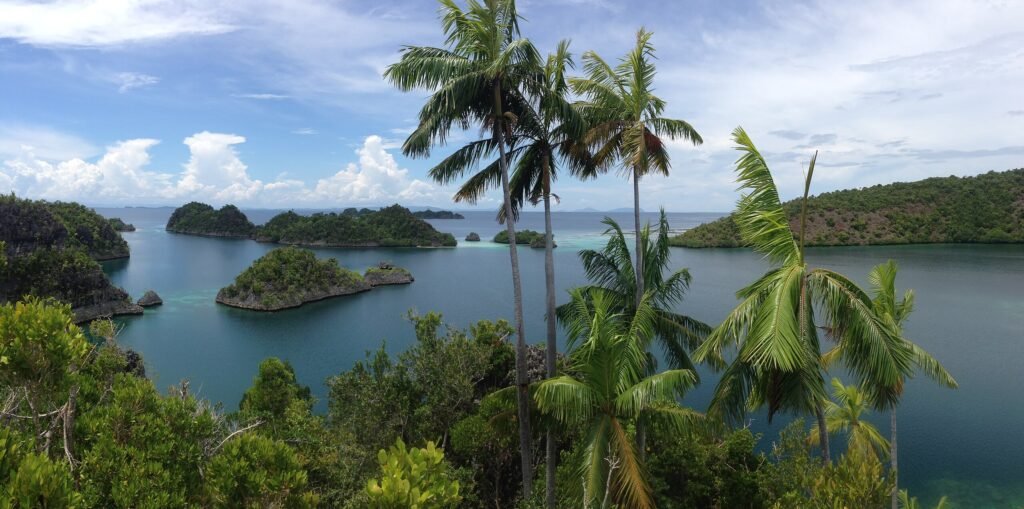
Raja Ampat is an archipelago where the jungle falls directly into the sea and vibrant coral reefs thrive just inches below the surface. Located in Indonesia, this region is often described by visitors as a living sanctuary. It is a place where elusive birds of paradise perform elaborate dances in the canopy while pygmy seahorses hide among sea fans in the currents below.
Comprising over 1,500 islands, shoals, and cays, Raja Ampat serves as a fortress for extraordinary marine biodiversity and a home for ancient tribal traditions that have survived the pressures of the modern world.
The allure of this destination draws a specific kind of traveler. Scuba divers travel here to drift along walls covered in soft corals and massive schools of fish that block out the sun. Birdwatchers brave early morning hikes to spot endemic species found nowhere else on Earth. Cultural enthusiasts come to witness a way of life where the rhythm of the village is dictated by the tides and the forest.
This article will guide you through the region’s geography and history, highlight its ecological wonders, and provide the practical advice necessary to plan a trip to this remote corner of the globe.
Unveiling Raja Ampat’s Foundations: Location, Geography, and History
To understand why Raja Ampat is so biologically productive, let’s first look at where it sits on the map and how the land itself was formed.
Location and Geography of Raja Ampat
Raja Ampat is positioned off the northwest tip of the Bird’s Head Peninsula in Southwest Papua, Indonesia. This location places it squarely within the Coral Triangle, a marine area recognized by scientists as the global center of marine biodiversity. The physical landscape is dramatic and varied. Visitors will encounter karst limestone formations that spike out of the water like jagged teeth, lush rainforests that blanket the interiors of the islands, dense mangroves protecting the shorelines, and turquoise lagoons that serve as nurseries for marine life.
- The Four Kings: The archipelago consists of 2,929 individual islands, but it is anchored by four main landmasses: Waigeo, Batanta, Salawati, and Misool. These four large islands support distinct terrestrial ecosystems and shield the inner waterways, allowing marine habitats to flourish.
- Geological Origins: The region holds significant geological value. Many of the rock formations date back to the Silurian-Devonian era, making them hundreds of millions of years old. This geological history has contributed to the area’s designation as a UNESCO Global Geopark.
The rugged nature of this geography has shaped human habitation for millennia. The sharp cliffs and dense forests made large-scale settlement difficult, which in turn allowed small, distinct communities to develop in isolation, relying heavily on the sea for survival.
A Glimpse into Raja Ampat’s Rich History
The name “Raja Ampat” translates to “Four Kings.” This name is derived from local legends that tell of a woman who found seven eggs. Four of these eggs hatched and became the kings who ruled the four main islands (Waigeo, Batanta, Salawati, and Misool), while the other three became a ghost, a woman, and a stone. Beyond the legend, the region has a deep prehistoric past. Cave paintings and artifacts found throughout the limestone karst systems reveal early human presence and point to deep-rooted animistic beliefs that predate modern religious influences.
Historical records show that the region was influenced by the Sultanate of Tidore and later saw the arrival of European powers, including the Dutch. Despite colonial administration and eventual integration into the modern Indonesian state, traditional customs have remained strong.
One of the most critical cultural practices that persists today is sasi. This is a traditional form of resource management where a community places a temporary prohibition on harvesting specific resources, such as sea cucumbers or certain fish, for a set period. This allows stocks to replenish. It is an interplay between indigenous tribes and the environment that created a history of sustainable coexistence long before the term “conservation” was coined. This historical context of stewardship underpins the region’s current status as a biodiversity hotspot.
Treasures of Nature and Culture: Marine Biodiversity, Diving Ethics, and Tribal Art

The connection between the people and the land is mirrored by the connection between the land and the sea. Raja Ampat is defined by its abundance.
Exploring Raja Ampat’s Marine Biodiversity and Diving Ethics
Raja Ampat is widely considered the epicenter of global marine biodiversity. Surveys have recorded over 600 species of reef-building corals and more than 1,500 species of fish. It is also a haven for endangered creatures such as sea turtles and dugongs. To put this in perspective, the reefs here contain up to 75% of all known coral species worldwide. When you look underwater here, you are seeing a representation of the majority of the world’s coral genetics in one place.
However, this abundance can lead to misconceptions. Some visitors assume that because the reef is vast, it can withstand unrestricted access. This is false. The ecosystem is fragile and faces threats from climate change and potential overfishing. To protect this resource, the government and local communities have established a network of Marine Protected Areas (MPAs).
Visitors must adhere to strict diving ethics to ensure sustainability:
- No-Touch Policy: Divers and snorkelers should never touch coral or marine life. Even a gentle touch can remove protective mucous layers from fish or break fragile coral structures.
- Buoyancy Control: Proper buoyancy is essential. Divers who cannot control their position in the water risk crashing into the reef, destroying decades of coral growth in seconds.
- Support Conservation: Choosing to dive with operators who support local patrols and ranger stations ensures that your tourism dollars fund the protection of the park.
Responsible diving also involves choosing eco-certified operators who minimize plastic use and manage waste properly. Local communities view these underwater realms as sacred pantries and spiritual spaces. Respecting the reef is a way of respecting the hosts.
Birds of Paradise and the Vibrancy of Tribal Art
While the ocean teems with life, the forests above are equally impressive. The region is famous for the birds of paradise, particularly the Red Bird of Paradise, which is endemic to Raja Ampat. These birds are known for their elaborate plumage and complex mating dances that take place high in the rainforest canopy. Birdwatchers often trek into the forest before dawn to witness the males displaying their vibrant feathers to attract females, a phenomenon deeply embedded in local folklore.
This natural beauty directly influences indigenous tribal art.
- Artistic Expressions: Local artisans create wood carvings, bark paintings, and ceremonial artifacts that mimic the shapes and colors of the environment. You might see motifs of marine life, such as manta rays, or the distinct silhouette of a hornbill or bird of paradise.
- The Maya Tribe: Tribes like the Maya incorporate these artistic elements into their rituals. Their traditional attire and the decoration of sacred sites often reflect a deep reverence for the environment that sustains them.
Development does pose a challenge, as habitat loss can occur when infrastructure expands. However, there are robust community-led preservation efforts aimed at balancing tourism growth with cultural survival. Why travel halfway around the world to see a resort when you can experience a culture that has thrived in harmony with nature for centuries? Engaging with these cultural elements provides a context that pure sightseeing cannot offer.
Your Gateway to Paradise: Tips and Advice for Visiting Raja Ampat
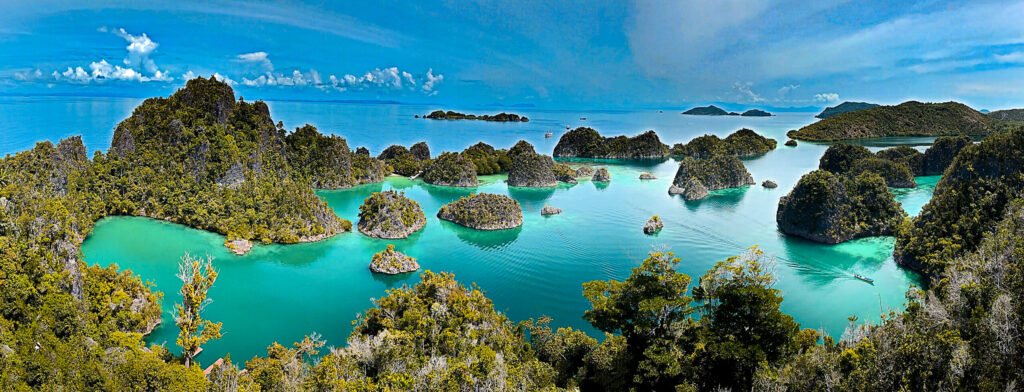
Reaching Raja Ampat requires effort and planning. It is a remote destination, and the logistics can be complex for the unprepared traveler.
Getting There and Optimal Timing
The primary gateway to the islands is the city of Sorong. Travelers typically fly into Dominique Eduard Osok Airport (SOQ) in Sorong from major Indonesian hubs like Jakarta or Makassar. From Sorong, you must take a ferry or a private speedboat to reach the islands. There are public ferries to Waisai (the capital on Waigeo island), while many private resorts and liveaboards arrange their own transfers.
- Best Time to Visit: The optimal time to visit is during the dry season, which runs roughly from October to April. During these months, the seas are generally calmer, and underwater visibility is at its peak.
- Entry Requirements: Visitors must purchase a Raja Ampat Marine Park Entry Permit (often referred to as the “PIN”). The fees from this permit go directly toward conservation and community programs.
Transportation options vary based on your travel style. Liveaboard boats are popular for divers who wish to explore multiple regions of the park without returning to land each night. Alternatively, staying at a resort or homestay requires boat transfers between islands. Weather can cause delays, so it is wise to build a buffer day into your itinerary before your international flight home.
Essential Tips for Responsible and Memorable Travel
Once you arrive, a few practical preparations will ensure a safe and enjoyable trip.
- Packing Essentials: Bring reef-safe sunscreen to prevent chemicals from damaging the corals. Insect repellent is necessary, as mosquitoes are present in the jungle. Lightweight, breathable clothing is best for the humid tropical climate.
- Health and Safety: Consult a travel doctor regarding vaccinations and malaria prophylaxis. Avoid drinking tap water; stick to purified or bottled water.
- Cultural Etiquette: Always ask for permission before taking photos of people or sacred sites. Dress modestly when visiting villages.
Budgeting for Raja Ampat should account for the reality of its remoteness. Fuel and provisions must be shipped in, which drives up costs. However, spending money here supports the local economy. Eco-tourism provides an alternative income to fishing for many families.
Engaging with Communities:
One of the best ways to experience the region is to engage with tribal communities respectfully. Many villages offer guided tours that include demonstrations of traditional art or walks to see local landmarks. These interactions should be approached with humility and an open mind. If you choose to stay in a homestay, you are often living with a local family. This offers an authentic look at daily life but requires a willingness to adapt to simpler living conditions.
Note on Tides:
Pay attention to tide schedules. Strong currents are common in Raja Ampat, and some inter-island channels become impassable or dangerous at certain times. Your boat captain or guide will know these patterns, so always follow their advice.
Conclusion
Raja Ampat offers a rare glimpse into a world where nature still holds the upper hand. From the kaleidoscope of colors on the coral reefs to the flash of red feathers in the canopy, the archipelago is a reminder of the earth’s potential for beauty. Mindful visitation is the key to preserving this legacy.
By adhering to diving ethics, respecting local customs, and supporting sustainable businesses, visitors help ensure that the marine and cultural heritage of the “Four Kings” survives for future generations.
As you plan your journey, remember that you are entering a sanctuary. The goal is to balance the thrill of adventure with the responsibility of conservation, leaving a positive footprint on this Indonesian gem.
Further Readings & Resources
- Official Raja Ampat Tourism System: https://sipari-rajaampat.id/en/
- UNESCO Raja Ampat Biosphere Reserve: https://www.unesco.org/en/mab/raja-ampat
- National Geographic on Raja Ampat’s Sacred Reefs: https://www.nationalgeographic.com/travel/article/why-raja-ampats-corals-reefs-in-indonesia-are-considered-sacred
You may also like


Leave a Reply