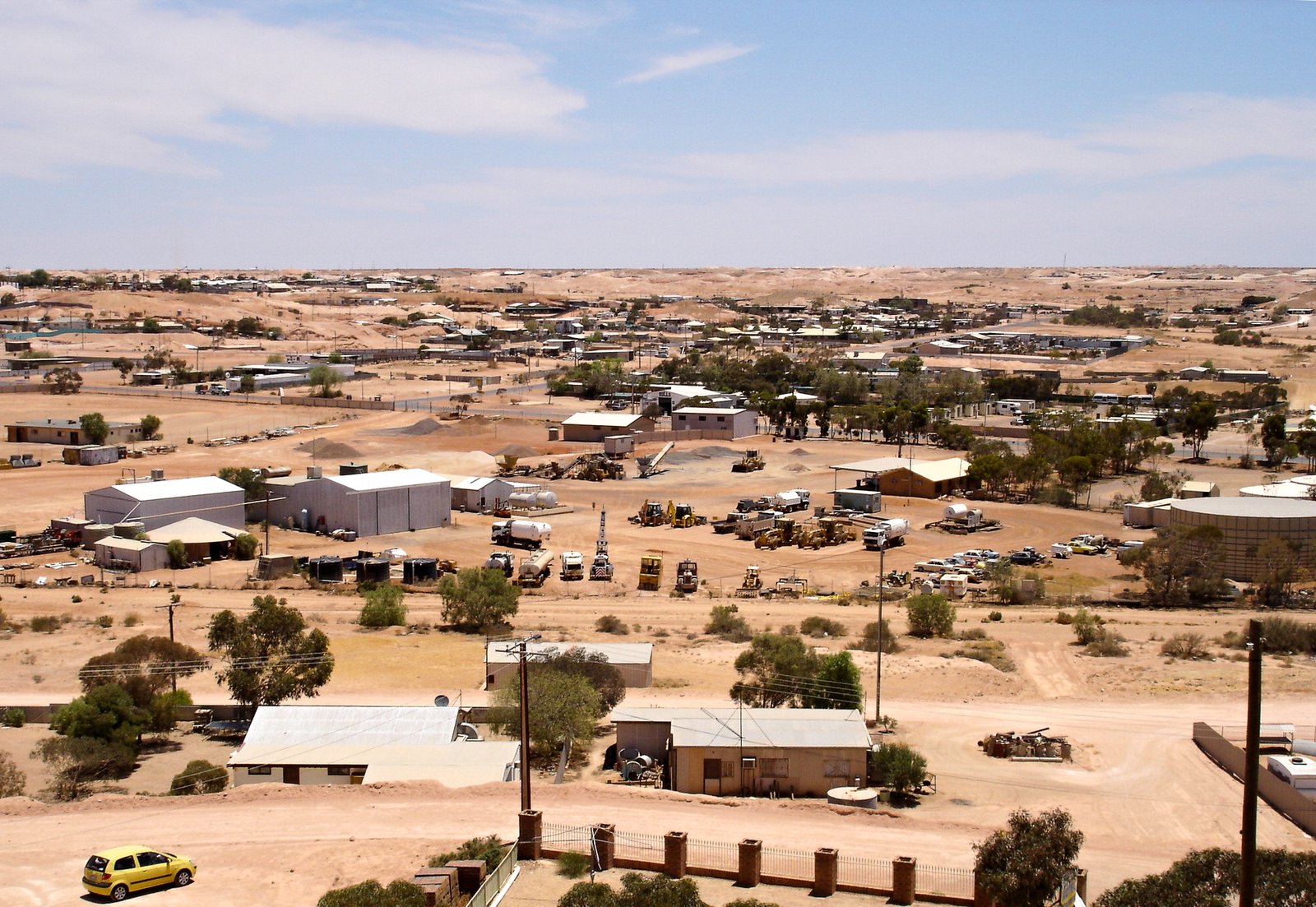
It’s like a landscape from another world: the earth is a vast canvas of cracked, rust-red soil stretching to a horizon that shimmers under a relentless sun. There are no trees, just sparse, hardy shrubs and strange mounds of pale earth. From the surface, this corner of the Australian Outback looks almost entirely deserted, save for the odd ventilation pipe sticking out of a hillside. But you’re not looking at an empty wasteland; you’re standing on the roof of a town. This is Coober Pedy, and its secret—and most of its population—lies just beneath your feet.
This remarkable community is a living example of human adaptation, a place where people literally carved their existence out of the rock to escape one of Earth’s most extreme climates. It’s a town built on the back of a gemstone rush, sustained by modern ingenuity, and defined by its decision to go down instead of up.
In this article, we’ll dig into the history, architecture, and incredible ingenuity of Coober Pedy, the town that went underground to survive and thrive.
The Land of Fire and Fortune: Why Go Underground?
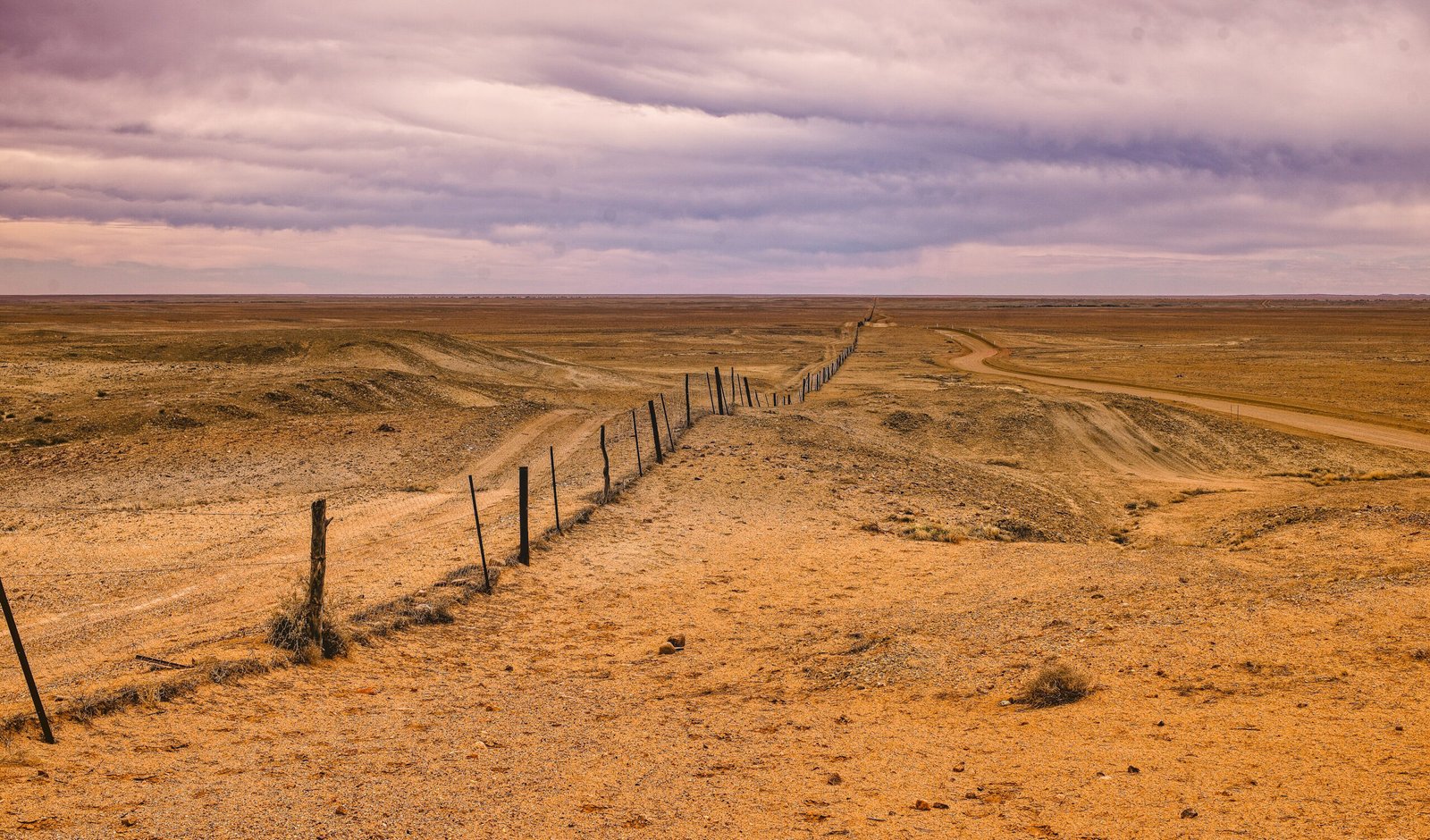
To truly understand Coober Pedy, you have to grasp the two powerful forces that created it: an incredibly harsh environment and the irresistible allure of treasure. The town’s very existence is a response to these dueling realities, a story of people drawn to an inhospitable land by the promise of fortune hidden within its fiery soil.
Life in the Outback’s Furnace
Life on the surface in Coober Pedy is a battle against the elements. Located in the heart of South Australia’s desert, the town endures a climate of extremes. In the summer, temperatures regularly soar above 45°C (113°F), hot enough to fry an egg on the pavement. The sun is scorching, the air is dry, and there is little to no shade. In contrast, winter nights can plummet to near-freezing temperatures.
The geography is just as formidable. The town is situated within the Stuart Range, a rocky, arid landscape with minimal vegetation and no reliable natural sources of surface water. For early settlers, building a conventional home here wasn’t just difficult; it was a recipe for misery. The relentless heat would turn any above-ground structure into an oven, making daily life an exhausting ordeal. This challenging environment set the stage for a truly unconventional solution.
The Great Opal Rush of 1915
The reason anyone ventured into this furnace in the first place was opals—dazzling, multi-colored gemstones. In 1915, a teenager named Willie Hutchison, part of a gold prospecting party, stumbled upon the first of these precious stones. Word of the discovery spread like wildfire, sparking a massive opal rush that drew miners and fortune-seekers from all over Australia and the world.
A rugged, frontier-style mining camp quickly sprang up. It was a tough life, defined by hard labor, dust, and the ever-present heat. Prospectors from dozens of countries arrived, creating a multicultural community bound by a shared gamble. These early miners were already skilled at digging, spending their days tunneling into the earth in search of the elusive “fire” of the opal. It didn’t take them long to realize that the same techniques they used to find their fortunes could also be used to improve their lives. They began to excavate small living quarters, or “dugouts,” into the hillsides, creating personal shelters that offered a cool, dark refuge from the brutal sun. This practical decision, born from necessity, marked the beginning of Coober Pedy’s iconic subterranean tradition.
From Mining Camp to Modern Town
Over the decades, what began as a temporary settlement of hardy miners evolved into a permanent and unique community. The town was officially named Coober Pedy, a name believed to be an anglicized version of the local Aboriginal term kupa-piti. While its exact translation is debated, it is often cited as “white man’s hole” or “boys’ waterhole,” a fitting nod to the countless excavations that pockmark the landscape and define the town’s character. Coober Pedy was no longer just a camp; it was a home, albeit one unlike any other in the world.
The Art of the Dugout: Architecture Below the Earth
The solution to the heat wasn’t just practical; it evolved into a unique and surprisingly comfortable form of architecture. The dugout is the heart of Coober Pedy’s identity, a style of living that transformed a hostile environment into a haven.
Carving a Home from the Hillside
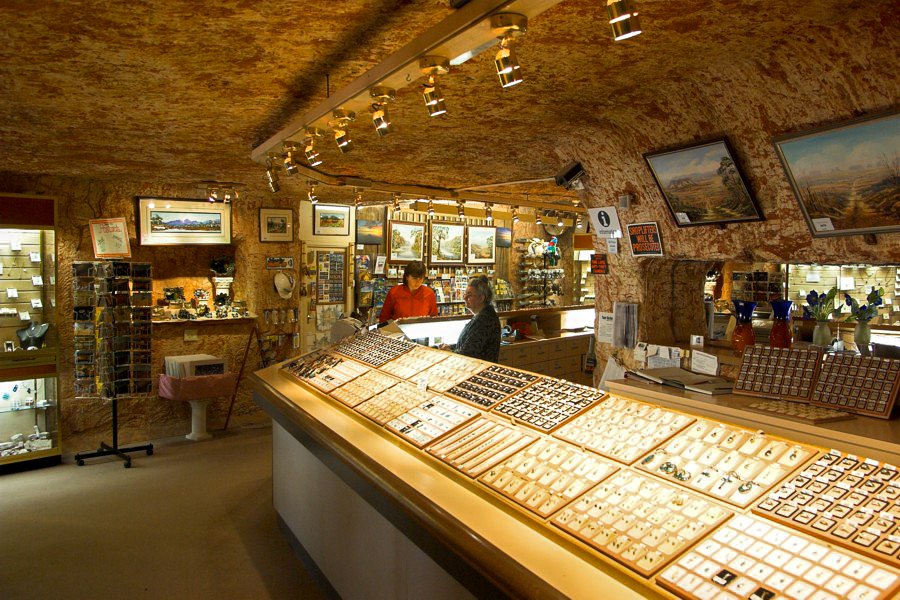
When you think of an underground home, you might picture a dark, damp cellar. A Coober Pedy dugout is the complete opposite. These homes aren’t dug vertically into the ground like a bunker; they are tunneled horizontally into the stable sandstone of the hillsides. This method is possible because the local rock is strong enough to be self-supporting, meaning most dugouts require no additional beams or pillars.
The primary benefit is a naturally regulated climate. Inside a dugout, the temperature remains a constant, comfortable 23-25°C (73-77°F) all year round, regardless of the scorching heat or freezing cold outside. This virtually eliminates the need for expensive air conditioning or heating. The interiors are far from primitive; they are often spacious, with beautiful, naturally textured walls showcasing the swirls of color in the sandstone. And if a family needs more space? They simply call in a local with a tunneling machine and dig a new room. It’s home expansion, Coober Pedy style.
A Subterranean Society: Churches, Shops, and Hotels
The underground lifestyle in Coober Pedy extends far beyond private homes. Over time, an entire subterranean society has developed. You can find stunning churches carved deep into the rock, such as the Serbian Orthodox Church of Saint Elijah the Prophet. Excavated in 1993, its interior is an awe-inspiring space with a vaulted dome, intricate rock carvings of saints, and beautiful stained-glass windows that filter the desert light. The silence and cool air inside these spaces offer a profound sense of peace.
This underground world also includes a host of businesses. There are bookstores where you can browse shelves set against sandstone walls, art galleries showcasing local works, and opal shops where the gems are sold just meters from where they were mined. For tourists, the ultimate experience is staying in an underground hotel, like the famous Desert Cave Hotel. These establishments offer rooms where you can sleep soundly in the quiet, dark comfort of the earth, providing a firsthand taste of the dugout lifestyle.
The Best of Both Worlds: Hybrid Living
Not every building in Coober Pedy is entirely underground. Many modern homes are clever hybrids. From the street, they look like conventional houses, with a front door, windows, and a driveway. This facade is just the beginning. Behind it, the majority of the living space—bedrooms, living rooms, and kitchens—is carved deep into the hillside.
This approach offers the best of both worlds: natural light in the front rooms and the cool, quiet stability of the dugout in the back. The resulting surface landscape is surreal. Hillsides are dotted with front doors and mailboxes, while the only clues to the sprawling homes hidden within are the white ventilation shafts and pipes that poke out of the ground like metallic chimneys.
Surviving and Thriving in the Modern Desert
Life in Coober Pedy requires more than just clever architecture; it demands innovative solutions for essential resources and a diversified economy to ensure its future. The town’s pioneering spirit didn’t end with the opal rush; it continues today through cutting-edge technology and a warm embrace of tourism.
Engineering Life: Water and Power
Two of the biggest challenges in any desert are water and power. Coober Pedy has tackled both with impressive ingenuity. With no local fresh water source, the town relies on a complex system that pumps salty water from an underground artesian basin located 24 kilometers away. This water is then treated at a desalination plant before it can be used. As a result, water is a precious and costly resource, and a culture of conservation is deeply ingrained in the community.
When it comes to energy, Coober Pedy is a leader in renewable technology. The town is powered by the Coober Pedy Hybrid Renewable Project, an advanced system that combines large-scale solar arrays and wind turbines with battery storage and a backup diesel generator. This project provides the majority of the town’s electricity, demonstrating how even a remote, off-grid community can pioneer a sustainable energy future. It intelligently switches between wind, solar, and stored energy to maintain a stable power supply, significantly reducing the town’s reliance on fossil fuels.
Hollywood’s Post-Apocalyptic Playground
The stark, otherworldly landscape in and around Coober Pedy has not gone unnoticed by Hollywood. Its vast, treeless plains and dramatic rock formations have made it a popular filming location for science fiction and post-apocalyptic movies that require a convincing alien or future-Earth setting.
The town has played a starring role in several iconic films. Its desolate beauty provided the backdrop for the dystopian world of Mad Max Beyond Thunderdome and the alien planet in the sci-fi thriller Pitch Black. The iconic bus journey in The Adventures of Priscilla, Queen of the Desert also featured the region’s stunning vistas. This film history has become a part of the town’s identity, with props like the massive Hunter-Gratzner spaceship from Pitch Black left behind and now serving as a quirky local landmark and tourist attraction.
Beyond the Mine: Tourism and a Multicultural Hub
While opal mining remains the soul of Coober Pedy, its modern economy is a healthy blend of mining and a growing tourism industry. Visitors from around the globe come to experience its one-of-a-kind lifestyle. They can stay in an underground hotel, take tours of working mines and dugout homes, and even try their luck “noodling”—sifting through piles of discarded rock from the mines in hopes of finding a small, overlooked opal.
This global appeal is reflected in the town’s population. Coober Pedy is a remarkable multicultural hub, home to people from over 45 different countries. Many are descendants of the miners who flocked here during the opal rushes of the 20th century, bringing their cultures and traditions with them. This diversity has created a resilient and welcoming community, united by a shared love for their unconventional home.
Conclusion
From a gritty opal rush to a futuristic, sustainable community, Coober Pedy is a powerful story of human resilience. It’s a town that looked at an unforgiving environment and didn’t try to conquer it, but instead chose to work with it, finding shelter and comfort within the very earth that held its treasure.
It represents a unique fusion of rugged frontier history, vibrant multiculturalism, and innovative problem-solving in the face of extreme environmental challenges. It stands as a reminder that sometimes, the most creative solutions are found not by building up, but by digging down.
Further Readings & Resources
For further information, check out the following sources and links:
- Official Coober Pedy District Council Website: https://www.cooberpedy.sa.gov.au/
- South Australia’s Official Tourism Page for Coober Pedy: https://southaustralia.com/products/flinders-ranges-and-outback/information-services/coober-pedy-visitor-information-centre
- A Detailed Look at Coober Pedy’s Hybrid Renewable Energy Project by ARENA (Australian Renewable Energy Agency): https://arena.gov.au/projects/coober-pedy-renewable-diesel-hybrid/
- National Geographic Article on Coober Pedy: https://www.nationalgeographic.com/travel/article/head-underground-in-coober-pedy
You may also like

Leave a Reply