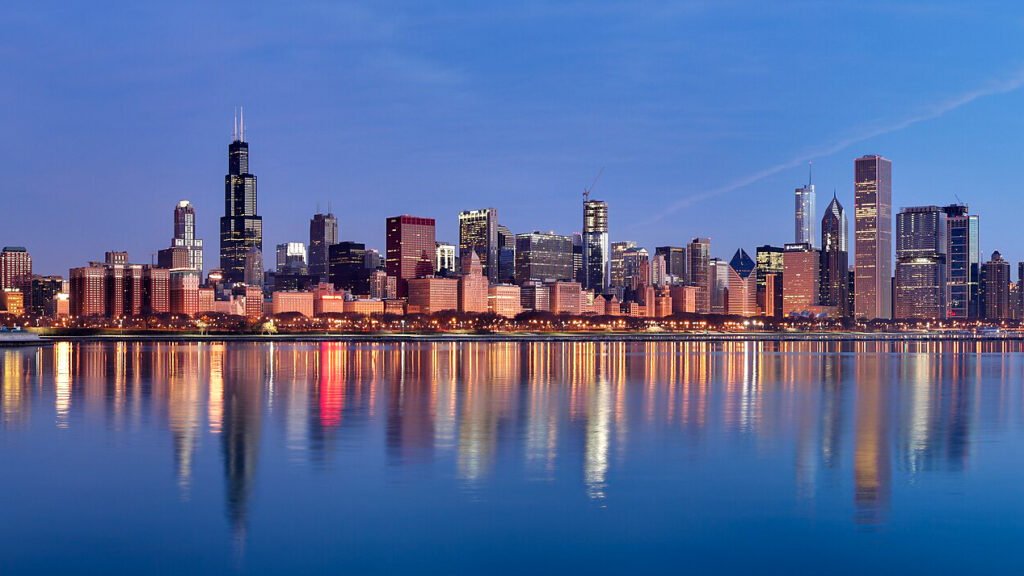
Chicago stands as a titan of American history, a city that grew from a humble trading post into a sprawling, influential metropolis. Its story is one of innovation, resilience, and cultural convergence. But before the skyscrapers and bustling streets, the land had a name with deep indigenous roots. Understanding the origin of “Chicago” reveals a fascinating story woven from language, environment, and the earliest interactions between Native American peoples and European explorers.
This article traces the journey of the name “Chicago,” from its botanical beginnings to its first appearances in historical records and its lasting modern legacy. By exploring its etymology, we uncover layers of cultural history that enrich our understanding of the city’s identity.
Origins of the Name “Chicago”
The name “Chicago” is a direct inheritance from the indigenous people of the region. It originates from the Miami-Illinois language word “shikaakwa” (pronounced she-KAH-kwa). This word specifically refers to the wild leek or wild garlic plant (Allium tricoccum), which grew abundantly along the banks of the area’s rivers. Known for its powerful and pungent odor, this plant was a defining feature of the local landscape.
When French explorers arrived in the 17th century, they adapted this native word into spellings like “Chicagou,” marking one of the first linguistic bridges between European and indigenous cultures in the region.
The name first appeared in historical records with the arrival of French explorers. Records from Robert de La Salle’s expeditions around 1680 contain early mentions of the name. Soon after, it began to appear on maps documenting the vital portage connecting the Great Lakes to the Mississippi River watershed.
The oldest known printed reference is on a 1688 map by the Venetian cartographer Vincenzo Coronelli, where the location is labeled “Chekagou.” These early references consistently tied the name to the area’s environment, specifically the smelly wild leeks that flourished near the Chicago River.
While the name existed in records from the 17th century, it only gained widespread popularity with increased European settlement in the early 19th century. The name became official with the incorporation of the Town of Chicago in 1833 and its reincorporation as a city in 1837.
Over time, some debates have emerged regarding the exact meaning of “shikaakwa.”
- Some sources suggest the word could also refer to a “striped skunk,” an animal also known for its powerful smell.
- Others maintain the primary meaning is botanical, pointing to the wild leek.
Linguistic analysis from authoritative historical sources resolves this issue by explaining that the Miami-Illinois word could, in different contexts, apply to both the odorous plant and the animal. However, historical accounts from explorers and cartographers most directly link the place name to the abundant wild leeks. Another common misconception is that the city was named after a Native American chief. This belief is inaccurate; historical records confirm the place was named “Chicagou” long before any individual leader of that name was noted.
These origins highlight the profound and often overlooked contributions of indigenous peoples to the American landscape. The name itself is a living record of the region’s original inhabitants and their relationship with the natural world, a legacy that continues to evolve today.
The Name Chicago Today
To summarize, the name “Chicago” traveled a long path from its indigenous roots as “shikaakwa” to its adoption by French explorers and eventual formalization by American settlers. This etymology enriches the city’s identity, grounding its modern story of industry and architecture in a much deeper history of the land and its people. In contemporary America, the name “Chicago” has become a symbol of resilience, cultural fusion, and bold ambition.
The name’s influence extends beyond the city’s official boundaries. While Chicago is known by famous nicknames like the “Windy City” and the “Second City,” its name also forms the basis for the term “Chicagoland.” This term emerged in the early 20th century and was popularized by media outlets like the Chicago Tribune. It was created to describe the vast metropolitan area that includes the city of Chicago, its many suburbs, and surrounding counties in Illinois, Indiana, and Wisconsin. “Chicagoland” defines a region interconnected by economics, transportation, and culture. Today, it remains a vital term in travel, geography, and urban studies to describe the sprawling and dynamic area centered on the city.
The story of “Chicago” is more than just a historical footnote. It is a reminder of the layers of history beneath our modern cities. Preserving and understanding this indigenous linguistic heritage offers a more complete and respectful view of our shared past and the enduring legacy of the continent’s first peoples.
Further Readings & Resources
The following sources and links are accurate as of the publication date of this article.
- http://www.encyclopedia.chicagohistory.org/pages/2463.html
- https://www.wttw.com/chicago-mysteries/mystery/where-does-chicago-get-its-name
- https://www.wbez.org/curious-city/2023/07/28/where-did-the-term-chicagoland-come-from
- https://www.jstor.org/stable/40192527
You may also like
Leave a Reply